If you’ve ever thought:
“It's been six weeks. Why am I not better yet?”
or
“It’s been years. Shouldn’t this be resolved by now?”
I want you to hear this clearly.
There is nothing wrong with you.
More often than not, the problem isn’t your body. It’s the timeline you were given.
In our culture, six weeks has somehow become the benchmark for healing. Six weeks after birth. Six weeks after surgery. Six weeks after an injury. At that point, many people are “cleared” to return to normal activity.
But clearance is not the same thing as recovery.
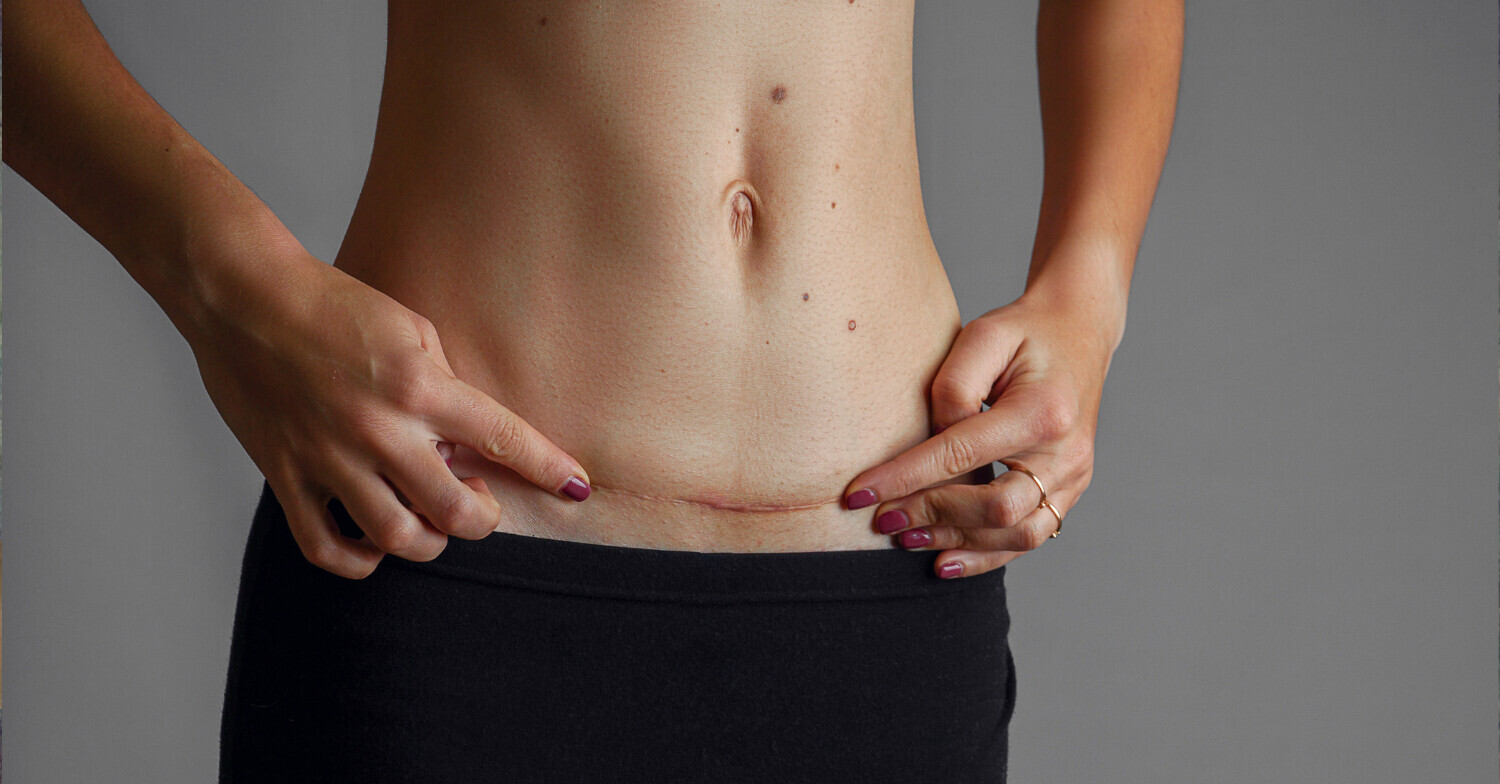
Six weeks may be enough time for the first stage of tissue repair. A tear can close. An incision can seal. Swelling can decrease. But healing, especially when it comes to pelvic floor function, chronic pain, or postpartum recovery, involves much more than that.
True healing happens in layers.
Yes, tissues repair themselves on a biological timeline. Muscles, ligaments, and connective tissue can begin healing within weeks. But what about the nervous system that learned to stay on high alert? The pelvic floor muscles that tightened to protect you after trauma or pain? The breath patterns that shifted without you even realizing it? The hormonal changes that affect so much in your body?
Those layers do not resolve so quickly.
They change slowly, through repetition, support, nourishment, and safety.
If you’ve experienced a traumatic birth, a fall, a car accident, sexual trauma, or years of pelvic pain or cycle-related symptoms from conditions like endometriosis, adenomyosis, or PCOS, your body adapted to survive.
Muscles may have tightened to protect vulnerable areas. Your breathing patterns may have changed. Your nervous system may have learned to stay on guard. Your movement patterns may have shifted without you realizing it.
These are not signs that your body is broken.
They are signs that your body is intelligent.
If your system has been practicing protection for years, it will not unlearn that in six weeks.
When symptoms persist for months or years, the nervous system becomes more sensitive to potential threats. Pain pathways become more efficient. The body gets very good at anticipating danger.
Healing in these situations isn’t about forcing the body to relax or pushing through pain. It’s about gradually teaching the nervous system that it is safe again.
And that kind of change takes time.
Birth is another example of how unrealistic our healing expectations can be. Pregnancy and delivery place enormous demands on the body. The abdominal wall stretches over many months. The pelvic floor supports increasing pressure and load. Hormones shift dramatically. Sleep becomes fragmented. Nutrient stores can become depleted.
At six weeks postpartum, tears may be closed. But scar remodeling can continue for twelve months or longer.
Hormones for many, may take a year or more to stabilize.
Strength, endurance, and coordination in the pelvic floor and core require progressive retraining, which can be hard to prioritize with a new little one, so this may delay or influence true healing.
I’ve also been reminded of this personally in my own healing journey over the past year. After a viral illness triggered a condition called POTS in my body, my nervous system was suddenly doing things I couldn’t control. Fatigue, dizziness, shortness of breath, brain fog and days where my body simply needed more rest than I was able to give it.
As someone who works in healthcare, it was humbling. Healing was not something I could rush or outwork. It required patience, pacing, and trusting that my body was trying to recalibrate.
It also required the right team of people to help encourage and guide me through the healing process, including working with a physical therapist, gastrointestinal doctor, cardiologist, natropath, and dietician. I even worked with a hypnotherapist to help with the mindset challenges of living with a chronic illness and continue to help my nervous system find balance.
Sometimes our bodies need more time and work than we expect.
Sometimes progress feels slow. Sometimes symptoms flare. Sometimes it feels like nothing is changing. But beneath the surface, your body is learning. Your nervous system is adapting. Tissues are remodeling. Strength and coordination are slowly returning.
If you are still leaking, still tight, still in pain, still fatigued, or still navigating symptoms years later, you are not behind.
You are healing in layers.
Your body is adaptive, protective, and incredibly capable of change when given the right support.
If you’ve been feeling like your body should be “better by now,” I want you to know you’re not alone.
So many of the women I work with come in thinking they’ve somehow missed their window to heal. They’ve been told their symptoms are normal, or that they just need to live with them.
But leaking, pelvic pain, painful intercourse, lingering postpartum symptoms, and chronic pelvic floor tension are all signs that your body may still need support.
Healing is possible. It just often takes the right guidance, the right pace, and a deeper understanding of what your body has been through.
Emily Mason
Contact Me